





Overview
Transplant Immunology Lab Setup for Research and Clinical Applications
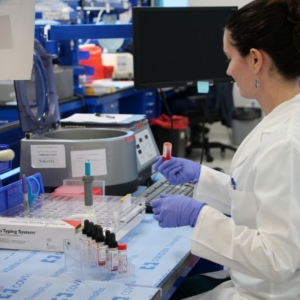
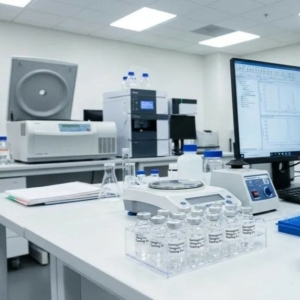
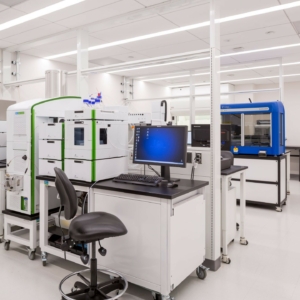
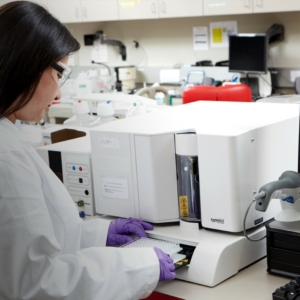
Transplant Immunology laboratories are essential for advancing organ transplantation research, immunological diagnostics, and compatibility testing. These laboratories serve as specialized environments that combine immunology, molecular biology, and biotechnology to study immune responses associated with tissue and organ transplantation. They support hospitals, research centers, and academic institutions in improving transplant success rates, reducing rejection risks, and enhancing patient care through precise laboratory analysis and advanced immunological testing systems.

Features
Why Choose Our Transplant Immunology Lab Setup?
Advanced Immunology Equipment:
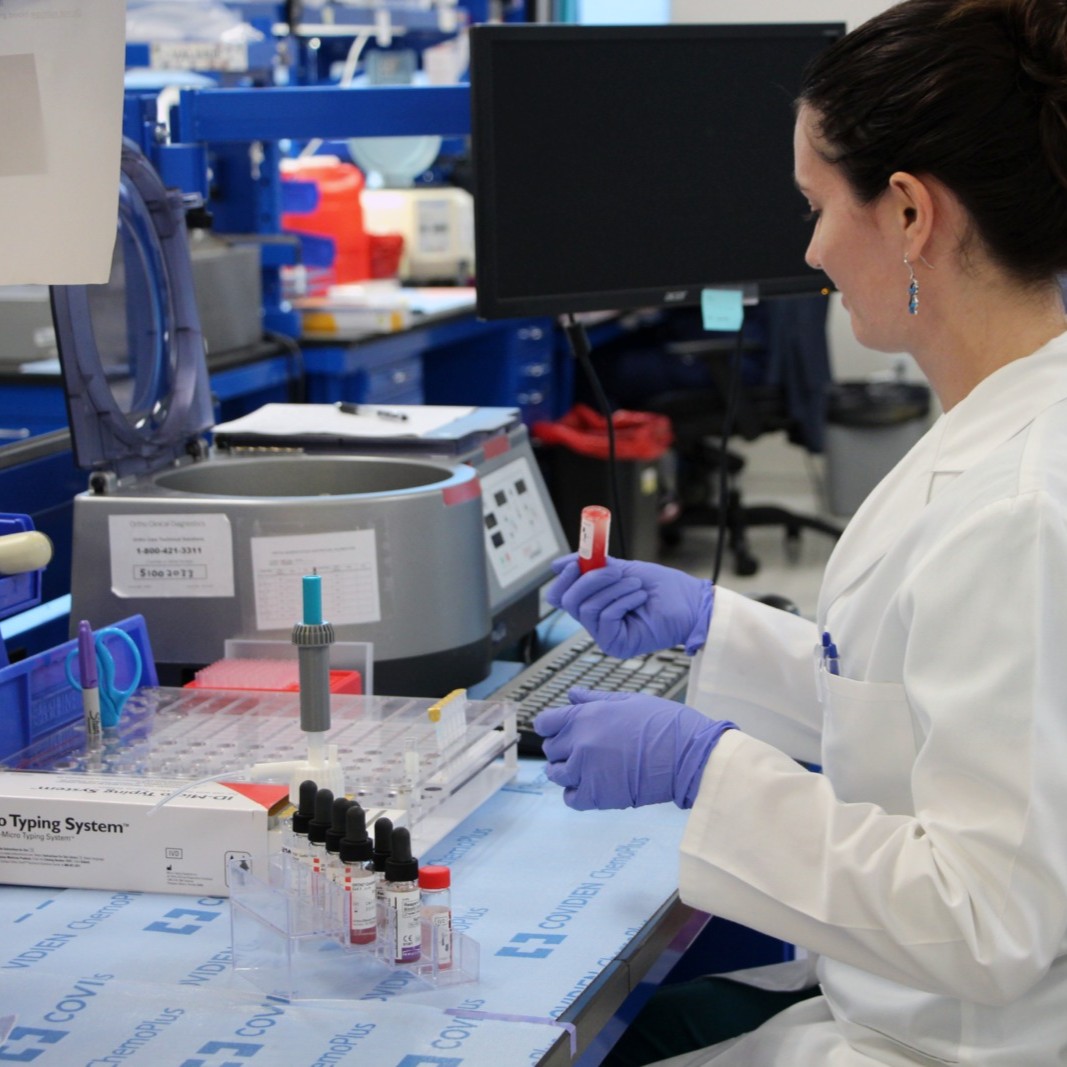
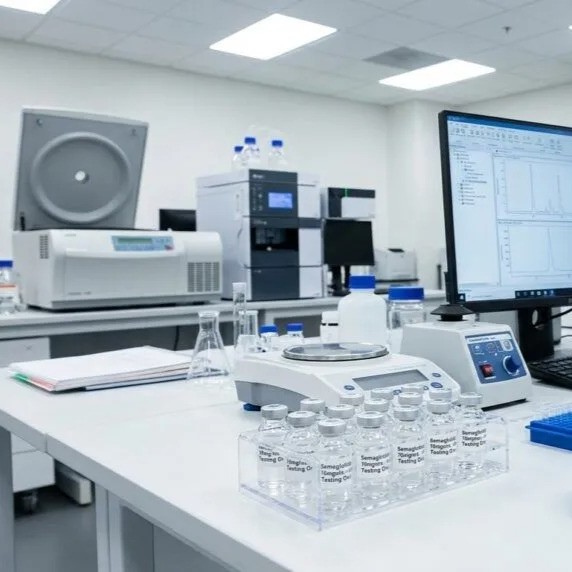
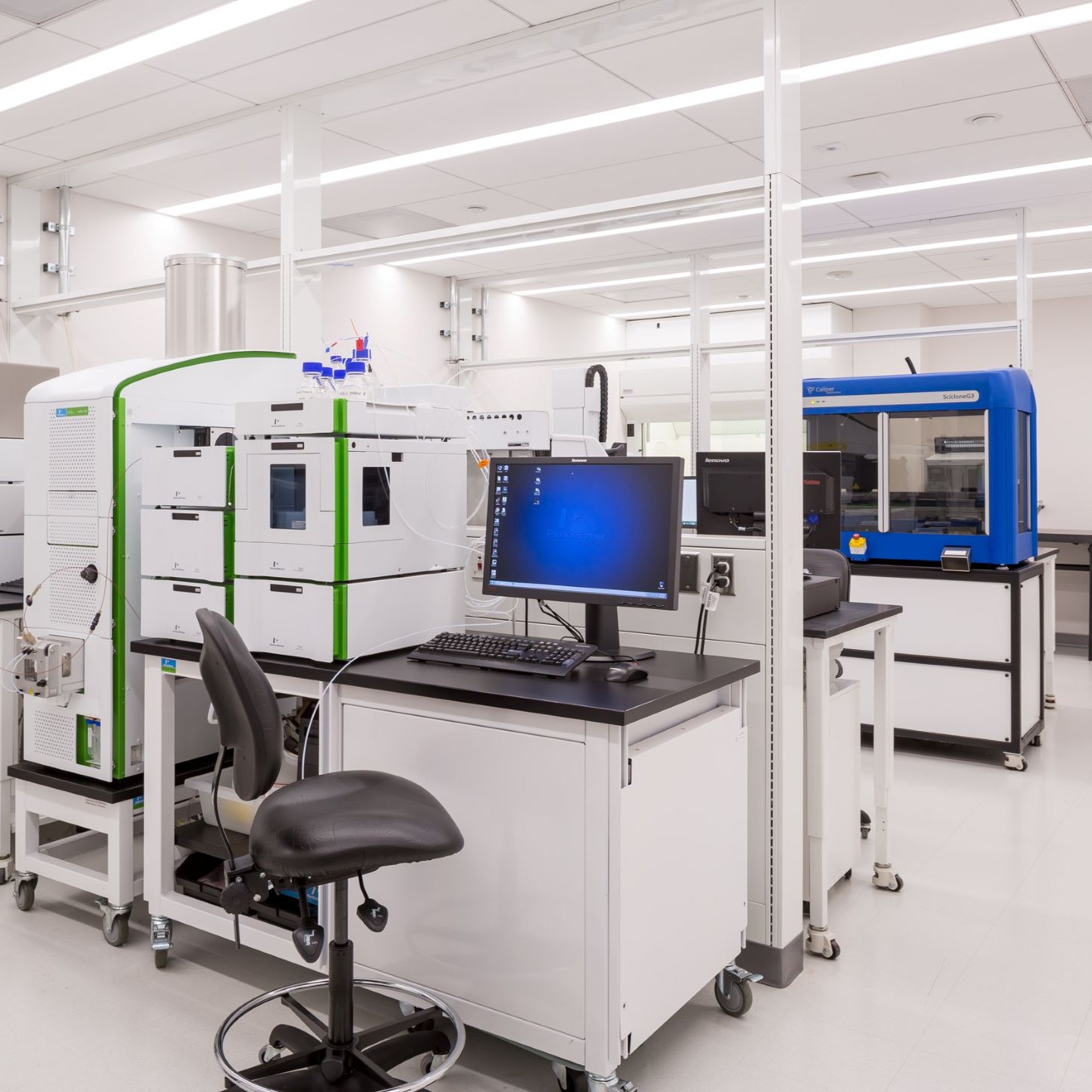
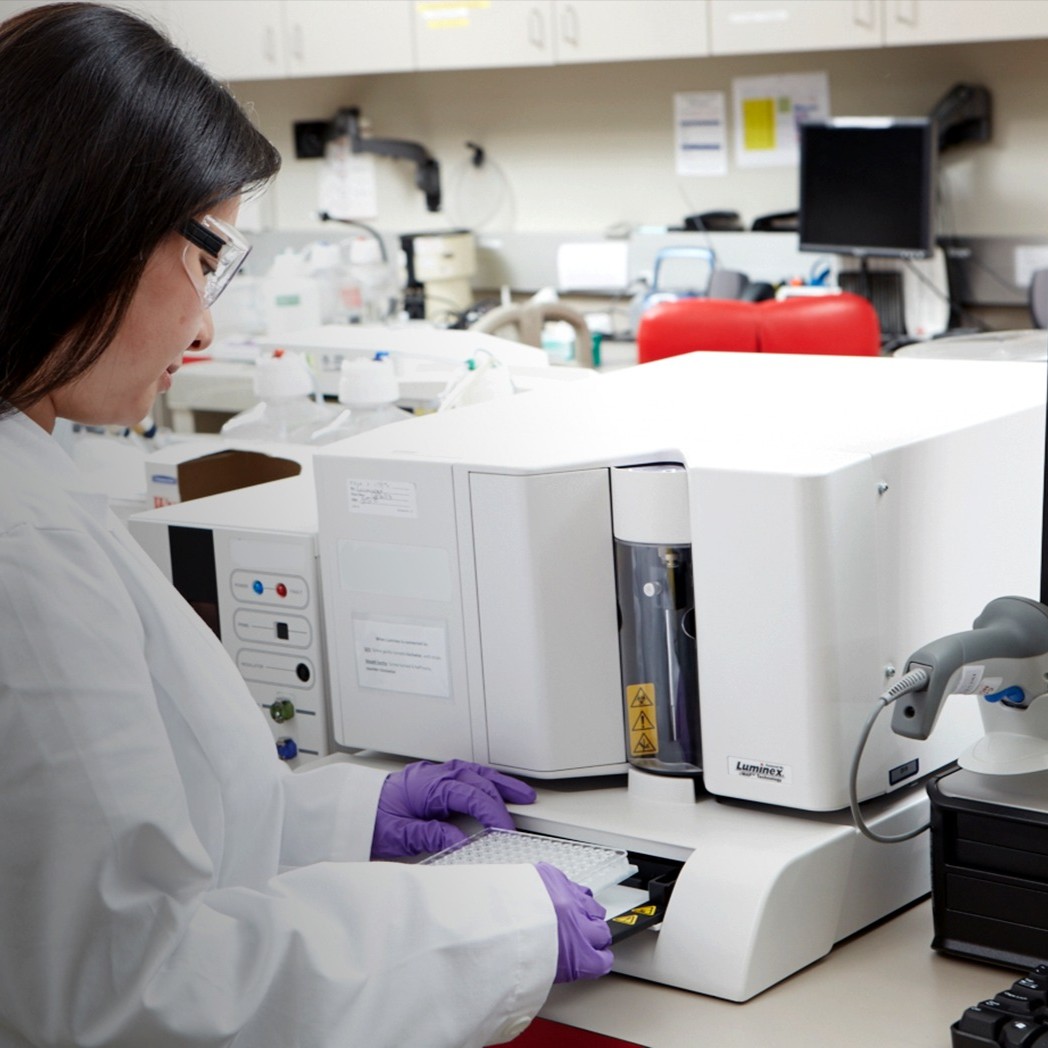
Transplant immunology labs are equipped with modern systems such as flow cytometers, PCR analyzers, ELISA readers, HLA typing systems, and antibody screening instruments for precise testing and analysis.Sterile Laboratory Environment:
The setup follows strict sterile and contamination-controlled laboratory standards to ensure safe handling of biological samples and accurate immunological testing procedures.High Safety Standards:
Integrated biosafety cabinets, sample protection systems, and controlled laboratory workflows ensure compliance with healthcare and laboratory safety regulations.Automated Data Management:
Advanced software and digital reporting systems help laboratories manage patient records, compatibility reports, and complex immunological datasets efficiently.Real-Time Diagnostic Capabilities:
The laboratory setup supports rapid compatibility testing, cross-matching, and immune monitoring, improving the speed and accuracy of transplant-related diagnostics.
Use Cases
Key Use Cases of Transplant Immunology Lab
Organ Transplant Compatibility Testing:
These laboratories perform HLA typing, antibody screening, and donor-recipient cross-matching to ensure safe and successful organ transplantation procedures.Clinical Diagnostics:
Hospitals and medical institutions use transplant immunology labs for immune response monitoring, disease diagnosis, and transplant rejection analysis.Medical Research and Development:
Researchers utilize these labs to study immune system behavior, transplant biology, and innovative treatment approaches for improving transplant outcomes.Biotechnology and Pharmaceutical Studies:
The setup supports the development of immunosuppressive drugs, vaccine research, and therapeutic testing for transplant-related treatments.Academic and Training Programs:
Medical colleges and research institutions use transplant immunology laboratories to provide practical training and advanced learning opportunities in immunology and transplantation science.




Reviews
There are no reviews yet.